
It is worth noting that in English technical terminology, “hot-melt” functions as an adjective in dozens of compound terms, e.g., hot-melt adhesive, hot-melt coating, hot-melt lamination, hot-melt extrusion — which in itself indicates that hot-melt is primarily a technology, rather than just an adhesive.
In a typical industrial application, hot-melt adhesive is melted in a melter or tank, conveyed through heated hoses, and then precisely applied to the substrates via gun bodies, valves, modules, applicators, or nozzles. After application, the adhesive loses heat, solidifies, and forms a bond. The period during which the adhesive retains its bonding capability after application is known as the open time — one of the key parameters when selecting an adhesive for a given process. In classic hot-melt adhesives, this process is primarily physical and does not require the evaporation of water or solvents. In reactive systems, such as PUR hot-melt, the initial solidification may be followed by chemical cross-linking, which increases the resistance of the finished bond.
In industrial practice, the concept of “hot-melt” encompasses four key process links:
1. Adhesive formulations – hot-melt adhesives based on EVA, polyolefins (PO), reactive poliurethanes (PUR), polyamides (PA), synthetic rubbers (SBC), and other polymers, selected for specific substrates and operating conditions.
2. Application systems – melters, pumps, heated hoses, valves, and slot or spray applicator heads (bead, spray, swirl, slot-die), without which even the best adhesive cannot be safely and repeatably applied.
3. Process technology – application methods such as bead coating, spray coating, slot coating, hot-melt lamination, hot-melt coating, potting, or sealing; each constitutes a separate field of process engineering.
4. End-use applications – from packaging and logistics, through furniture manufacturing, automotive, hygiene products, and construction, to electronics, bookbinding, and advanced processes such as hot-melt extrusion in pharmaceuticals.
Hot melt, hot-melt, hotmelt – three spellings, one technology
Technical documentation, manufacturers’ catalogues and commercial materials use three spelling variants: “hot melt”, “hot-melt” and “hotmelt”. All three are used in the industry, but they do not occur with the same frequency and do not always serve exactly the same function.
- The spelling “hot melt” without a hyphen is widely used in materials published by equipment and adhesive manufacturers. It appears, among other expressions, in terms such as “hot melt adhesive”, “hot melt system” and “hot melt applicator”. In current industry usage, it is one of the most common forms, even though traditional English spelling conventions may favour the hyphenated form in certain contexts.
- The form “hot-melt” is frequently used in technical terminology, dictionaries and standards. The most typical example is the term “hot-melt adhesive”. The hyphen clearly indicates that the two words form a single compound term describing a type of adhesive, system or technology.
- The closed form “hotmelt”, in turn, is found mainly in commercial and marketing language and in everyday industry communication. Manufacturers, distributors and users of adhesive systems sometimes use it as a shortened name for the adhesive or the technology as a whole. However, it is not the preferred form in normative documentation or precise technical descriptions.
In practice, the differences between these spellings are often overlooked, which is why several variants may appear in the same catalogue or on the same website. For consistency, however, it is advisable to adopt one primary form. In technical texts, the safest choices are “hot-melt” or the full term “hot-melt adhesive”, while “hot melt” closely reflects the terminology used by many international manufacturers.
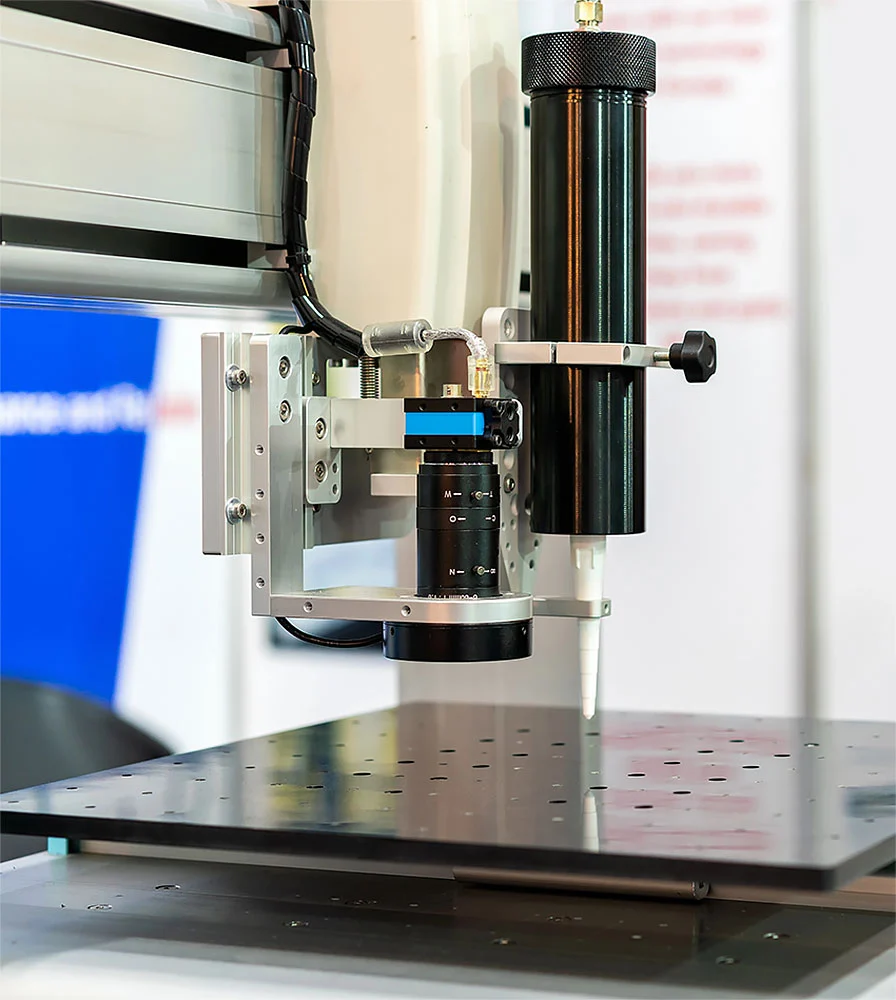
How does hot melt technology work?
solid adhesive → melting → conveying → filtration → dosing → application → compression → cooling → bonding
Stage 1: Solid adhesive melting
Stage 2: Conveying and filtration of the molten adhesive
Stage 3: Application onto the substrate
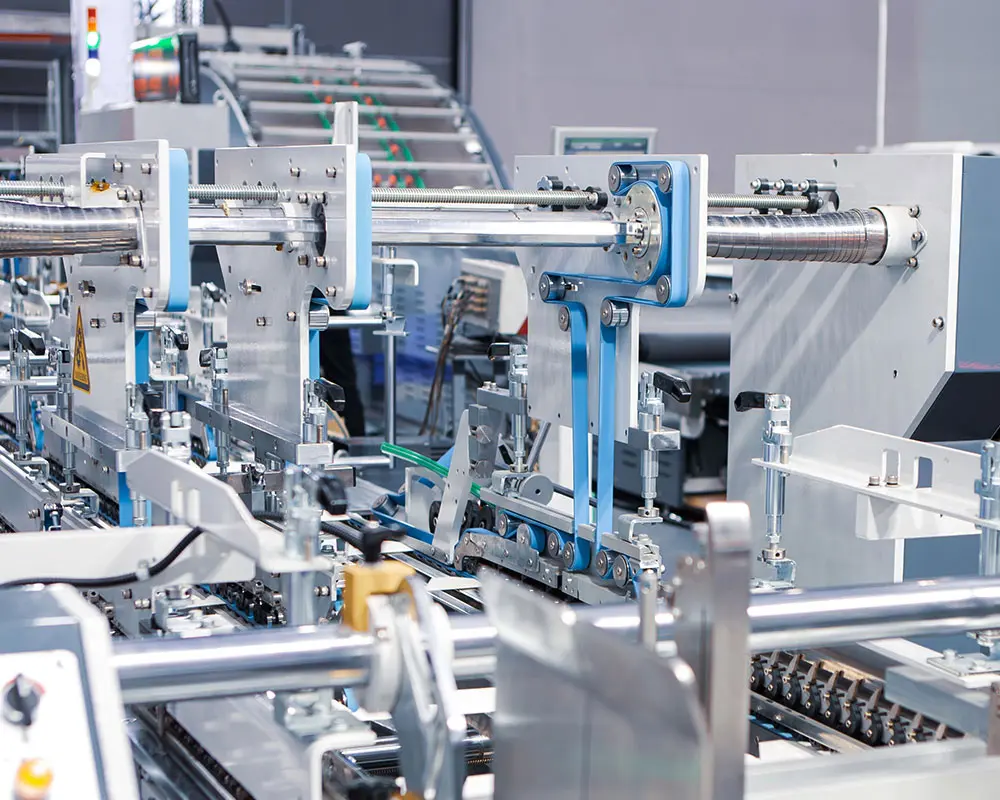
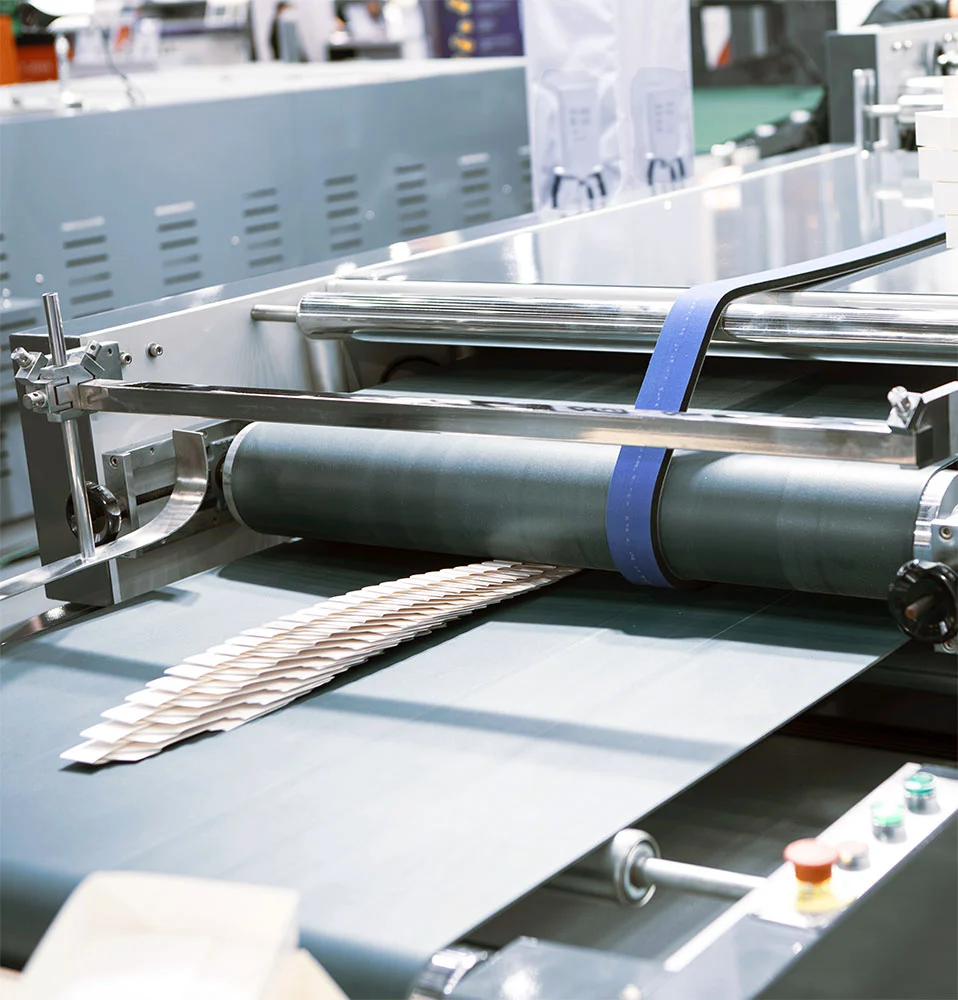
Stage 4: Compression, cooling, and bonding
- Open time is the duration between the application of the adhesive and the final moment at which effective bonding of the materials can occur. Once the open time is exceeded, the adhesive solidifies to such an extent that it no longer forms a durable bond. Open time can range from a fraction of a second (adhesives for high-speed packaging lines) to several dozen seconds (adhesives for manual application or slow processes).
- Set time is the duration after which the bond achieves sufficient strength to withstand further processing or load. Both parameters must be precisely matched to the production line speed and process requirements.
What components make up an industrial hot melt system?
An industrial hot-melt system is an assembly of interconnected parts and components hot melt, controls responsible for the complete process: adhesive preparation, melting, maintaining stable parameters, conveying to the application point, filtration, dosing, deposition onto the substrate, and line monitoring. In practice, selecting a “good adhesive” is not sufficient. The quality of the bond depends heavily on melting capacity, pump stability, filter throughput, the condition of the heated hoses, applicator head type, nozzle geometry, control precision, and regular maintenance. Therefore, an industrial hot-melt system must be treated as a complete process system rather than an individual piece of equipment.
The logical sequence of hot-melt system components is best illustrated according to the process flow: from adhesive loading and melting, through feeding, filtration, and conveying, down to dosing, application, control, and maintenance. The key components of the system are described below in this exact sequence.
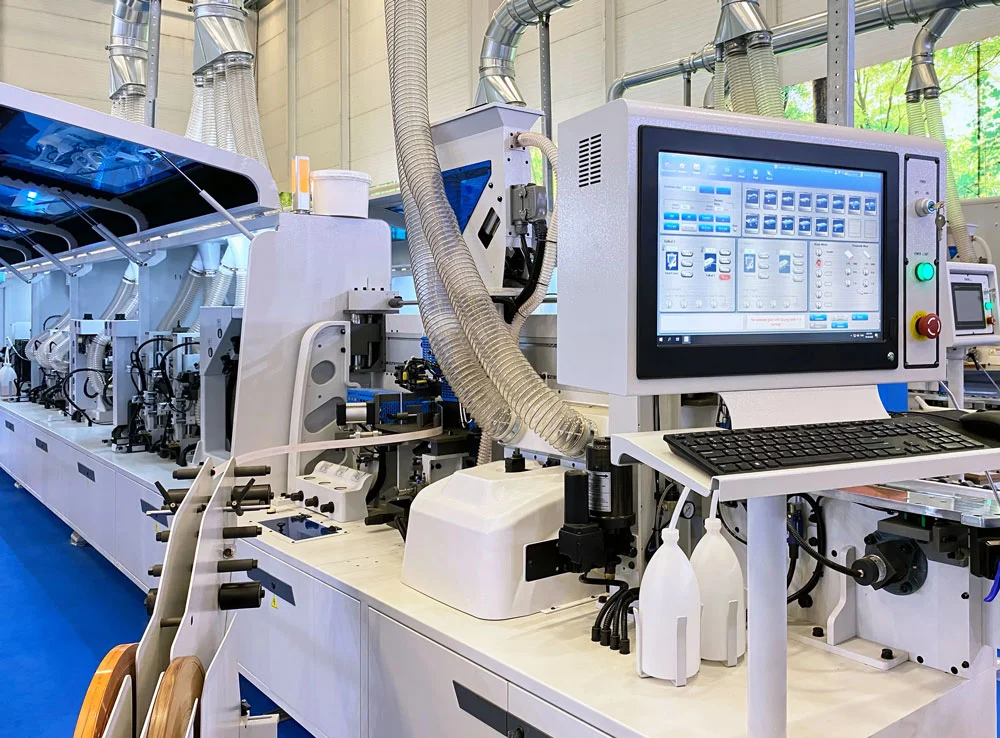
| Process stage | System component | Role in the hot-melt system |
|---|---|---|
| 1.Adhesive loading and melting | Melter / tank | Melts the adhesive and maintains it at the operating temperature specific to the given formulation. |
| 2.Adhesive feeding | Adhesive pump | Generates the flow and pressure required for stable conveying of the adhesive throughout the system. |
| 3.Medium filtration | Filters and filtration systems | Protect the pump, valves, applicator heads, and nozzles from contaminants and charred adhesive particles. |
| 4.Adhesive conveying | Heated hoses | Convey molten adhesive to the applicator head and maintain its temperature along the entire length of the hose. |
| 5.Dosing and flow control | Modules and valves | Control the opening and closing times of the adhesive flow as well as the repeatability of the shot size. |
| 6.Application onto substrate | Applicator heads | Apply adhesive using a specific application method: bead, dot, spray, swirl, or slot coating. |
| 7.Application geometry | Hot-melt nozzles | Define the geometry, width, direction, and pattern of the adhesive stream. |
| 8.Process control | Temperature controllers, sensors, and automation | Stabilize temperature, pressure, application timing, and integration with the production line. |
| 9.Integration and safety | Cables, connectors, guards, and accessories | Connect system components, support operational safety, and adapt the assembly to the machine. |
| 10.Maintenance | Spare and wear parts | Determine the speed of servicing, reduction of downtime, and operational costs of the system. |
Melter / Tank
The melter is the starting point of the industrial hot-melt process. Its function is to melt the adhesive supplied in the form of pellets, blocks, pillows, chubs, cartridges, or drums and maintain it at a stable operating temperature. The adhesive’s viscosity, feeding throughput, application stability, and the risk of material degradation all depend on the melter’s performance. Too low a temperature results in excessively high viscosity and flow issues, whereas too high a temperature or prolonged retention of the adhesive in the tank can lead to charring, color changes, sediment formation, and clogging of filters and nozzles. In practice, various types of melters are utilized: tank-based, tankless, drum unpackers, and systems tailored to specific adhesive forms. Tank-based melters are most common in standard industrial installations, while tankless or drum systems limit adhesive contact with air and are particularly critical for high adhesive consumption or moisture-sensitive formulations such as PUR hot-melt. The selection of a melter should consider not only tank capacity but also melting rate, the number of heating zones, ease of cleaning, adhesive compatibility, and integration capabilities with the line automation.Adhesive Pump
The pump is responsible for driving the molten adhesive from the melter to the rest of the installation. Its operation determines flow stability, application pressure, and shot size repeatability. Gear pumps are frequently used in industrial systems as they enable uniform adhesive feeding and precise control over the volume of material deposited. Pneumatic or piston solutions are also encountered in less demanding setups, but flow repeatability is critical on high-speed production lines. An improperly selected pump can cause adhesive pulsing, uneven application, pressure drops, system overload, or excessive adhesive shearing. When selecting a pump, factors to consider include adhesive type, viscosity at operating temperature, required throughput in kg/h, system length, number of applicator heads, and the nature of the application. A slow dot application requires completely different parameters than a high-speed packaging line operating at a high number of cycles per minute.Filters and Filtration Systems
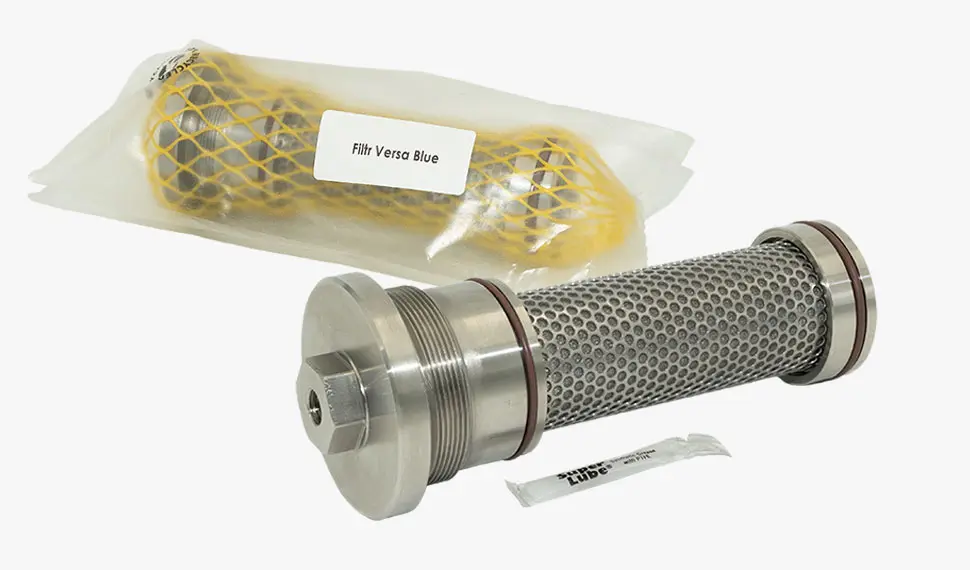
Filtration is one of the most critical conditions for the stable operation of a hot-melt system. Filters trap mechanical contaminants, gelled lumps, charred adhesive particles, and residues resulting from thermal degradation. Without effective filtration, contaminants enter the valves, modules, heads, and nozzles, where they can cause intermittent application, uneven adhesive output, damage to precision components, and unscheduled line downtime. In a typical system, filters can be located in several positions: at the melter tank, at the pump outlet, in inline filters, and directly before the applicator head. Their mesh size and design should be selected based on the adhesive type, operating temperature, nozzle size, and process requirements. A filter that is too coarse will fail to trap fine contaminants, while one that is too fine can restrict flow and increase system pressure. Regular inspection and replacement of filters constitute the foundation of preventative maintenance.Heated Hoses
Heated hoses transport molten adhesive from the melter to the applicator head, maintaining its temperature along the entire length of the conduit. They are not ordinary transport lines. They incorporate a heating element, a temperature sensor, thermal insulation, and a layer resistant to pressure and temperature. Their function is to prevent adhesive cooling, viscosity spikes, and application instability. The length, diameter, temperature range, and pressure resistance of the hose must be matched to the specific system. A hose that is too long or poorly insulated can cause heat loss and delays in system response. Too small a diameter can restrict flow, particularly with high-viscosity adhesives. Typical hose failures include heating element breaks, temperature sensor damage, cuff leaks, insulation degradation, or mechanical kinking. Any of these faults can lead to temperature fluctuations and bond quality issues.Dosing Modules and Valves
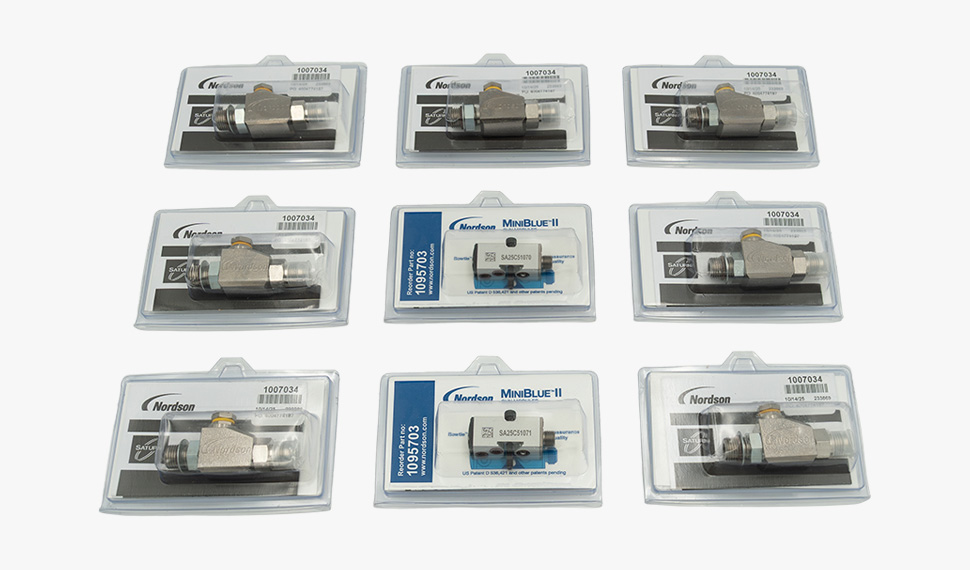
Modules and valves are the components responsible for the precise opening and closing of the adhesive flow. They determine when the adhesive is dispensed, how long it flows, and whether the application remains repeatable across successive production cycles. Depending on the system design, valves can be pneumatically, electrically, or electromagnetically actuated. In high-speed packaging applications, valve response time directly affects the adhesive bead length and its placement position on the product. Wear on modules and valves manifests as adhesive drooling, delayed shut-off, uneven shot sizes, leaks, unstable application, or a complete lack of output. Components such as needles, needles-and-seats, diaphragms, seals, and springs are wear items. Their condition should be inspected regularly, especially on lines operating in continuous duty.Applicator Heads
The applicator head is the assembly that combines the functions of dosing and depositing the adhesive onto the substrate. It can operate as a single-dot head, multi-module head, linear bead head, spray head, swirl head, or slot-die head. The selection of the head depends on the application method, operational width, required adhesive dosage, number of deposition points, and line speed. In practice, the head must be selected not only for the adhesive but also for the product and process. Case and carton sealing requires a different head than flat substrate lamination, which differs again from adhesive application in hygiene product manufacturing. Critical factors include: the number of modules, independent section control capabilities, temperature stability, contamination resistance, ease of cleaning, and spare parts availability. The head is one of those components where minor mechanical wear can rapidly translate into visible product defects.Hot-Melt Nozzles
The nozzle is the final component in the adhesive path and directly shapes the application on the substrate. It is responsible for the direction, width, thickness, stream pattern, and character of the adhesive deposition. Depending on its design, it can produce a dot, bead, spray, swirl, fan pattern, slot coat, or other process-matched geometries. Proper nozzle selection influences both bond quality and adhesive consumption. Nozzles are particularly sensitive to contamination and wear. Even a tiny residue can distort the stream shape, shift the application placement, increase stringing, or cause voids in the adhesive deposition. When selecting a nozzle, consideration must be given to orifice diameter, application angle, adhesive viscosity, pressure, temperature, line speed, and required coating weight. In many cases, changing the nozzle alone allows for reduced adhesive consumption or improved process repeatability without replacing the entire system.Temperature Controllers, Sensors, and Automation
The control system is the element that binds the entire hot-melt setup into a single monitored process. Temperature controllers are responsible for maintaining proper parameters across individual zones: tank, pump, hoses, heads, and modules. Sensors for temperature, pressure, adhesive level, flow, or product presence allow for monitoring operating conditions and detecting deviations before they lead to production defects. In more advanced configurations, the hot-melt system can be integrated with a PLC controller, line encoder, product sensors, HMI panel, SCADA system, or master production system. This allows the application to be synchronized with line speed, product position, and machine cycle. Well-designed automation reduces adhesive consumption, limits reject rates, eases diagnostics, and allows for faster root-cause identification of process issues.Cables, Connectors, Guards, and Mounting Accessories
Ancillary components are often less visible than the melter, pump, or head, yet they bear major importance for the reliability of the entire system. Electrical cables, pneumatic lines, connectors, quick-disconnects, brackets, adapters, thermal guards, mounts, and hose management components determine whether the installation is stable, safe, and easy to operate. Faults in this part of the system can cause leaks, overheating, signal interference, cable damage, or restricted service access. In a well-engineered system, accessories are not an afterthought. They must be selected according to operating temperature, pressure, environmental conditions, machine motion frequency, and health and safety requirements. Particularly critical are insulation guards for hot zones, proper routing of heated hoses, strain relief for cables against bending, and maintaining clear access to filters, nozzles, and service modules.Spare Parts and Wear Elements
A hot-melt system contains many components that naturally wear out during operation. The most critical include nozzles, filters, seals, diaphragms, needles, valve seats, springs, heating elements, temperature sensors, cords, hose cuffs, and select pump parts. Their availability directly impacts maintenance and uptime. The lack of a small wear element can stop an entire production line, even if the main machinery is fully operational. From a production standpoint, it is vital not only to know what the hot-melt system consists of, but also which components must be kept in stock and how frequently to inspect them. It is best practice to establish a critical parts list for a given line, a preventive maintenance schedule, and clear procedures for cleaning and replacing filters, nozzles, and modules. Proper wear parts management reduces downtime, stabilizes bonding quality, and lowers the total cost of system operation.Composition and types of hot melt adhesives
Hot-melt adhesives differ in composition, operating temperature range, viscosity, open time, flexibility, thermal resistance, adhesion to substrates, and curing behavior. Their formulation typically consists of three main component groups:
- Base polymers – provide the adhesive with cohesive properties, and determine the operating temperature ranges and flexibility.
- Tackifying resins (tackifiers) – improve adhesion to substrates, lower the softening point, and shorten or extend the open time.
- Waxes – regulate the viscosity of the molten adhesive, accelerate crystallization (shorten the set time), and reduce formulation costs.
Additives (antioxidants, thermal stabilizers, plasticizers) improve the stability of the adhesive at high temperatures, extend its pot life in the tank, and tailor its properties to specific application requirements.
EVA-based Adhesives (ethylene-vinyl acetate copolymer)
EVA (ethylene-vinyl acetate) is the most widely used base for hot-melt adhesives. EVA adhesives are characterized by a broad range of applications, good adhesion to paper, cardboard, and wood, moderate thermal resistance (up to approx. 60–80°C), and a relatively low purchase price. They are available in a highly diverse array of formulations — from adhesives with a very short open time (for high-speed packaging lines) to those with a longer open time (for bookbinding and manual bonding). They are primarily used in the packaging industry, bookbinding, and artisanal bonding applications.Polyolefin Adhesives (PO / APAO / mPO)
Polyolefin-based adhesives (amorphous polyolefins — APAO, metallocene polyolefins — mPO) offer superior flexibility at low temperatures, higher thermal resistance, and a cleaner odor compared to EVA adhesives. They are characterized by excellent adhesion to polyolefin plastics (PP, PE), making them a critical choice in the manufacturing of hygiene products. They are utilized in the production of diapers, sanitary napkins, and other nonwoven goods, as well as in packaging, furniture manufacturing, and automotive applications.Reactive PUR Hot-Melt Adhesives
PUR hot-melt (reactive polyurethane) represents a class of adhesives that combine the benefits of conventional hot-melts (rapid initial bonding via cooling) with chemical cross-linking triggered by atmospheric moisture. Once cured, they do not remelt upon heating, making them the ideal choice for applications demanding exceptional thermal, chemical, and mechanical resistance. They are widely used in furniture manufacturing (ABS/HPL/wood edgebanding), the automotive sector, window construction, building industries, and laminations requiring moisture resistance. PUR hot-melts mandate specialized equipment (designed to prevent contact with ambient moisture) along with distinct operating and cleaning procedures.Polyamide Adhesives (PA)
Polyamide-based adhesives are characterized by exceptionally high thermal resistance (up to 150°C and above), outstanding chemical resistance, and very good adhesion to metals, engineering plastics, and textiles. They find application in the automotive, electronics, and footwear industries, as well as technical applications requiring high-temperature durability. They necessitate elevated application temperatures (150–230°C) and specialized equipment.SBC and PSA Hot-Melt Adhesives
Adhesives based on synthetic rubbers (SBC — styrene block copolymers, e.g., SIS, SBS) are particularly valued for their exceptional flexibility and their capacity to form PSA (pressure-sensitive adhesives) — self-adhesive materials that remain tacky even after cooling. They are used in the production of adhesive tapes, self-adhesive labels, hygiene products, and applications requiring an adhesive that retains its tack at ambient temperatures.POR Hot-Melt
Reactive polyolefin systems deployed in specialized applications, including scenarios requiring specific adhesion and resistance profiles.Supply Forms of Hot-Melt Adhesives
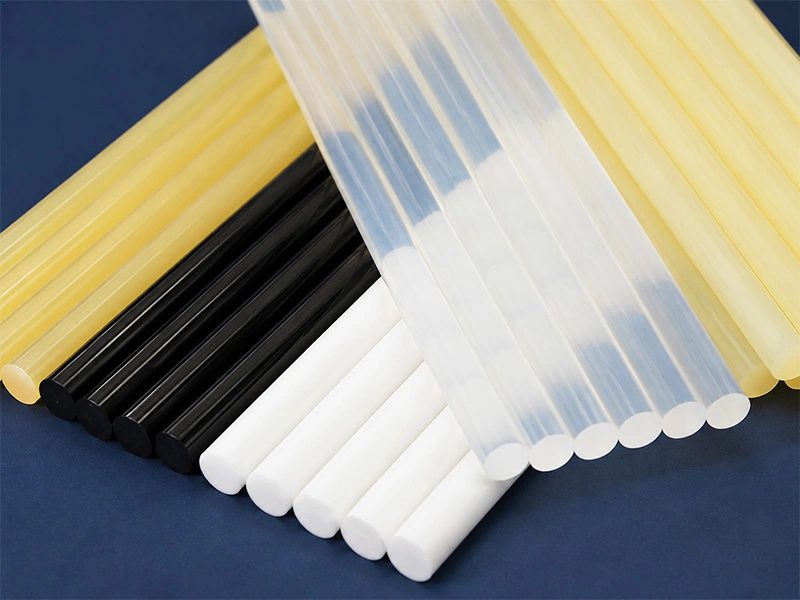
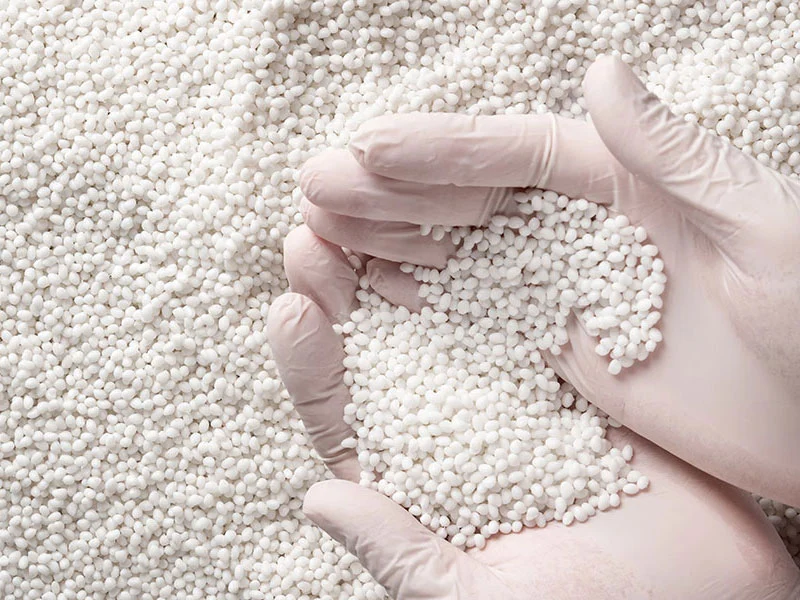
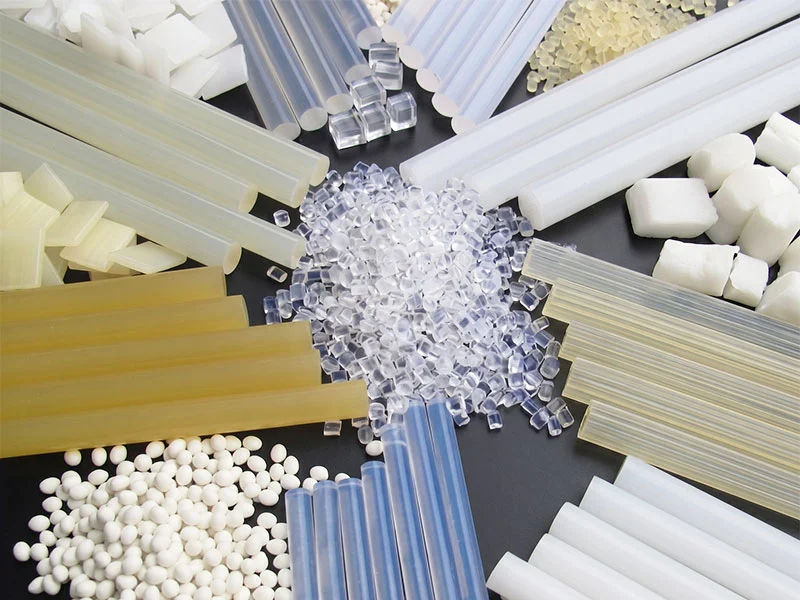
Hot-melt adhesives are supplied in a variety of physical forms tailored to the type of equipment and production scale:- Pellets – for tank-based and tankless melters; easy to dose, widely available.
- Blocks and chubs – for tank-based melters; convenient for large-capacity tanks.
- Pillows (pillow packs) – for tank-based melters; a hygienic delivery form that reduces contamination risk.
- Drums (200 l) – for drum unloader systems; highly economical for massive adhesive consumption rates.
- Sticks / glue sticks (Ø 7–12 mm, 30 mm) – for manual glue guns and automated handgun applicators.
Key hot melt process parameters
In hot-melt technology, bond quality depends on a complex set of parameters. This is precisely why selecting an adhesive without process analysis can be highly risky. The exact same formulation may perform flawlessly on one line and present issues on another if there are differences in temperature, speed, nozzle geometry, compression, substrate material, or the duration between application and assembly. Properly configuring hot-melt process parameters is a prerequisite for achieving a durable, repeatable, and cost-effective bond. The most critical parameters include:
- Operating temperature – the temperature at which the adhesive is maintained in the tank and during application. It must be high enough to ensure proper viscosity and substrate wetting, but not excessively high — overheating accelerates adhesive degradation. Typical ranges: 120–160°C for EVA, 130–180°C for PO, 100–130°C for PUR, and 150–230°C for PA.
- Adhesive viscosity – a measure of the molten adhesive’s resistance to flow, expressed in mPa·s or cP. Viscosity decreases as temperature increases. Excessively high viscosity impedes flow through hoses and nozzles; excessively low viscosity causes uncontrolled adhesive running. Selecting an adhesive with the correct viscosity for the chosen application method is critical.
- Open time – the duration during which the adhesive retains its bonding capability after application. It must match the production line speed and the distance between the application point and the joining point.
- Set time – the duration required for the joint to develop sufficient green strength. This is crucial for establishing line speeds and component compression times.
- Melting capacity – the volume of adhesive that the melter can supply per unit of time (kg/h). It must align with the actual demand of the production line.
- Application pressure – the pumping pressure of the adhesive; it determines the uniformity of the flow through the nozzles.
- Adhesive coat weight – the amount of adhesive applied per unit of joint length or surface area (g/m or g/m²). Too low a coat weight results in a weak bond; too high a coat weight leads to elevated costs and potential adhesive squeeze-out beyond the joint.
- Application geometry – the width, thickness, pattern, and distribution of the adhesive on the substrate.
- Substrate compatibility – the capability of the adhesive to wet and permanently adhere to a specific material. This dictates the ultimate strength of the bond.
- Finished bond resistance – encompasses resistance to temperature, moisture, mechanical loads, aging, and environmental operating conditions.
Methods of hot-melt application
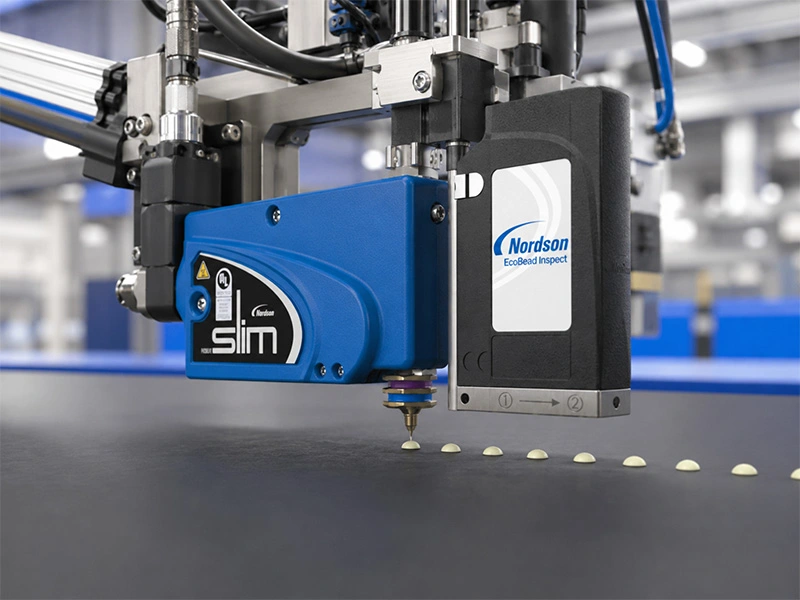
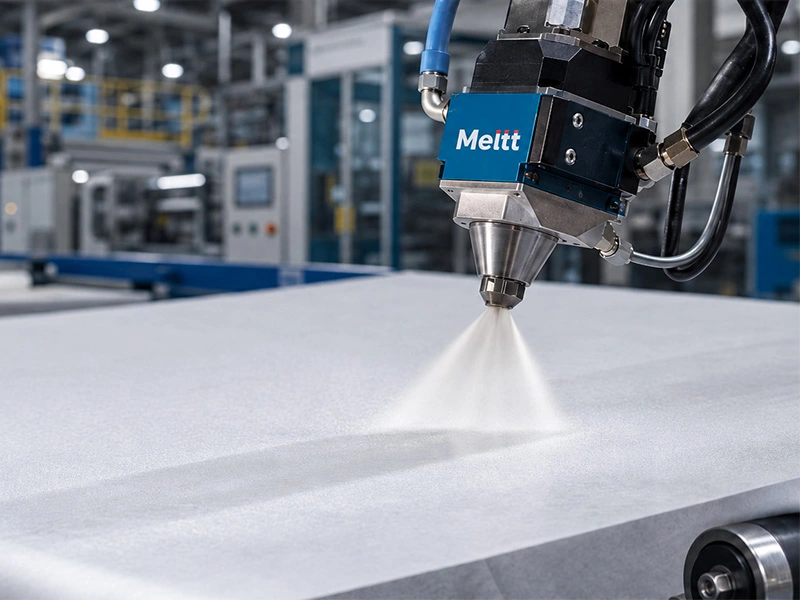
Linear Bead Application
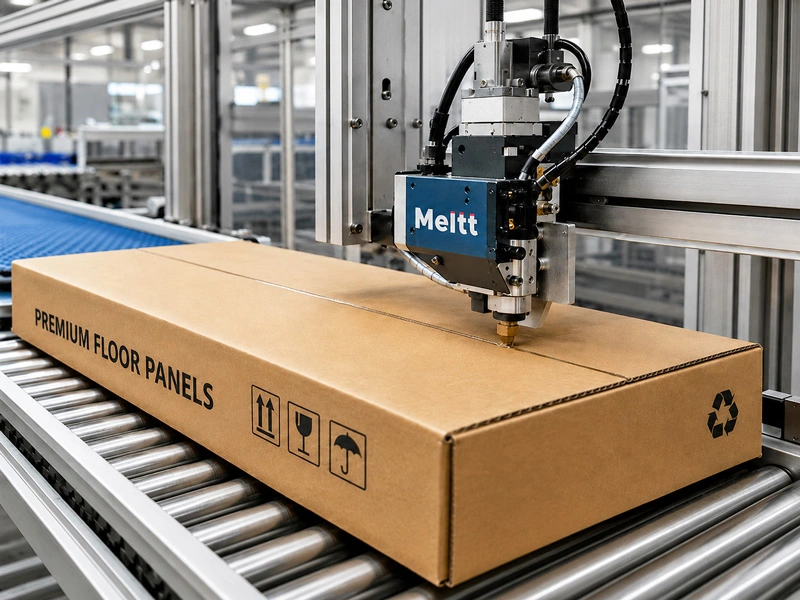
The simplest and most frequently used method — the adhesive is applied as a continuous or intermittent line (bead) with a round, oval, or flat cross-section. It is used for case and carton sealing, edgebanding in furniture manufacturing, joining wooden components, bonding in construction, and wherever localized adhesive deposition is required.Dot Application
The adhesive is deposited in precisely metered droplets or dots of a controlled volume. Dot application is used, among other areas, in electronics (SMD assembly, connector sealing), filter production, optical applications, and wherever highly precise micro-dosing of adhesive at a specific spot is required.Spray Application
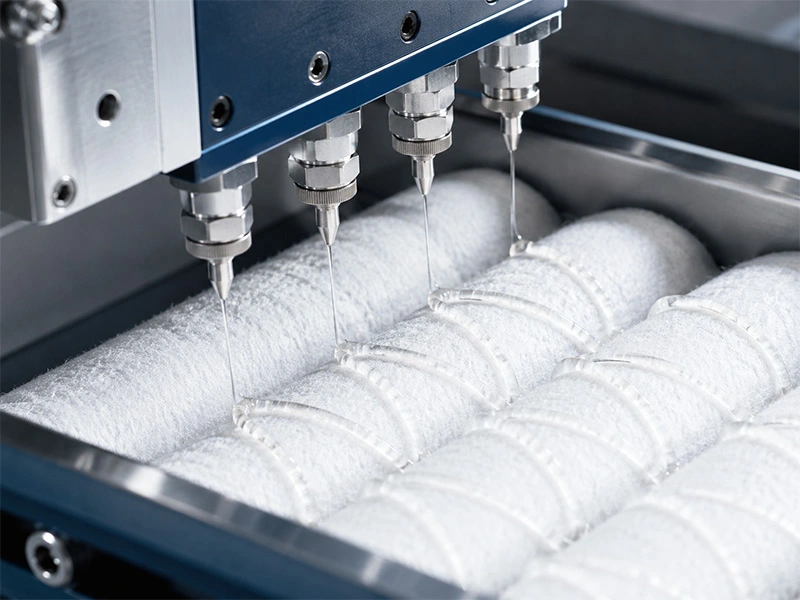
The adhesive is atomized using compressed air or nozzle pressure and deposited as a mist or a thin layer over a large surface area. This method is utilized for joining nonwoven materials (production of diapers, sanitary napkins, wet wipes), fabric lamination, foam bonding in the automotive sector, and filter manufacturing. Spraying enables the bonding of delicate and porous substrates, providing a lighter and more flexible joint with minimal adhesive consumption.Spiral Swirl Application
A variant of spray application in which the adhesive is deposited in a spiral or wavy pattern via a specialized head utilizing air jets. Spiral application provides superior surface coverage with lower adhesive volumes, a uniform layer, and enhanced joint flexibility. It is widely common in the production of hygiene and nonwoven products.Slot-Die Coating (Slot Coating)
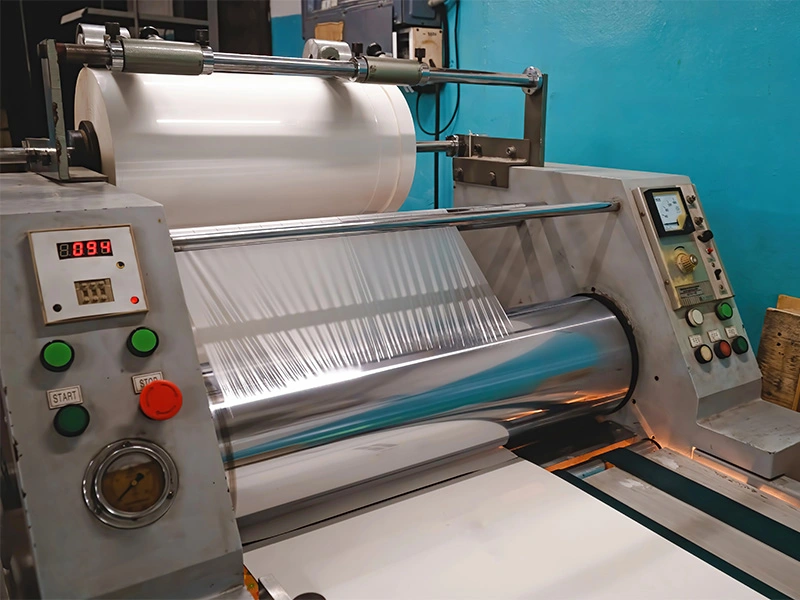
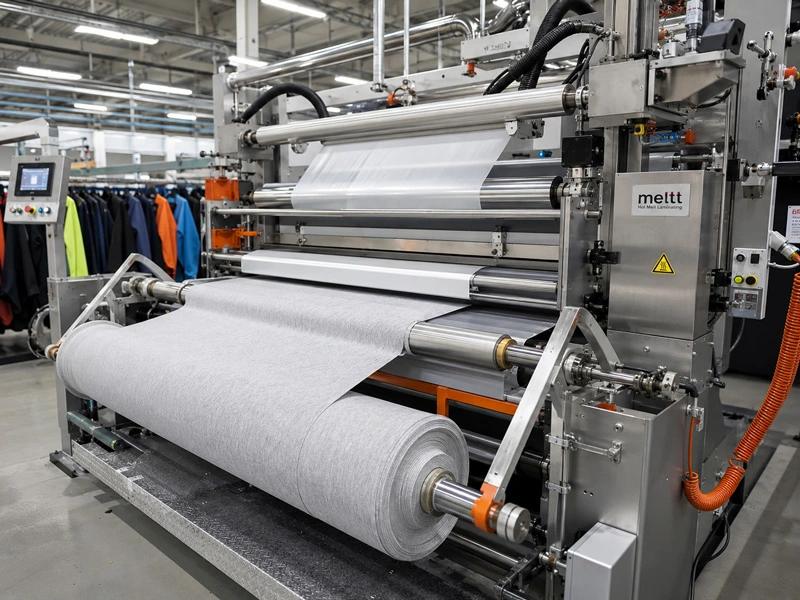
The adhesive is extruded through a nozzle slot as a uniform, thin layer across the entire width of the substrate. This method is deployed in lamination, adhesive tape manufacturing, label and foil coating, and sandwich panel production. Slot coating ensures highly uniform coverage and precisely controlled layer thickness, making it ideal for demanding lamination processes.Surface Coating and Roller Lamination
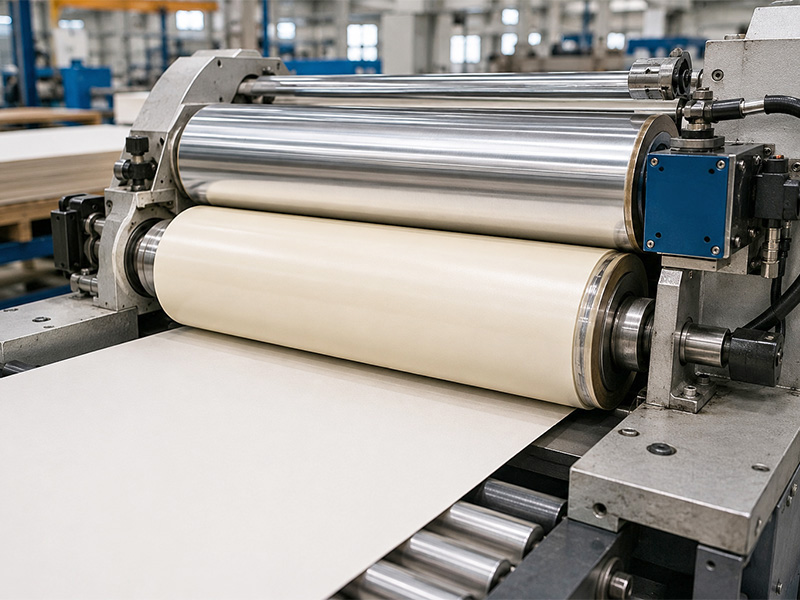
The hot-melt adhesive is applied to a roller or cylinder and then uniformly transferred onto the substrate (roller application). This technique is used in bookbinding (cover gluing, book assembly), board manufacturing, and flat material lamination.Manual Application (Hot-Melt Hand Gun)
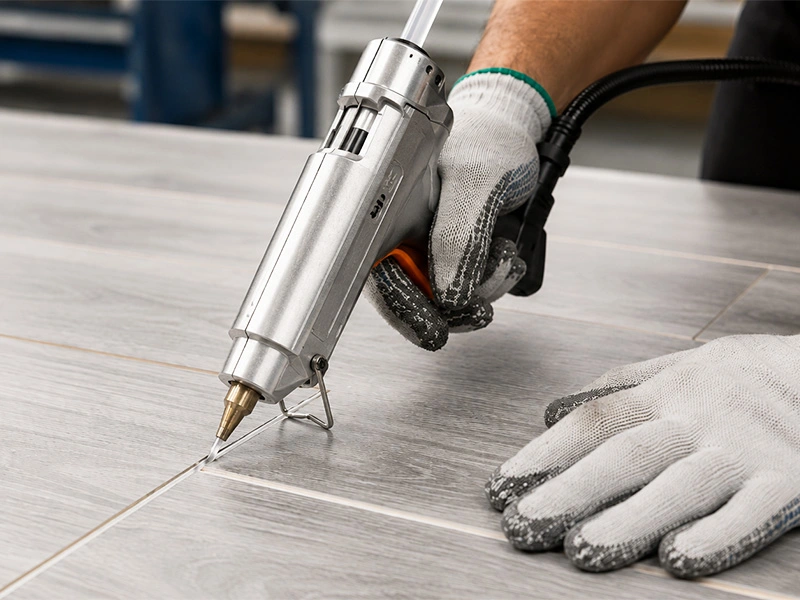
A manual glue gun is a device used in workshops, small-batch production, crafts, floristry, and DIY applications. Glue sticks are fed into the gun’s heater, melted, and applied manually through a nozzle. Hand guns are available in mechanical versions (simple, reliable, requiring no pneumatic supply) and pneumatic versions (easier to handle, lower operator fatigue, superior dosing precision).Where is hot melt used?
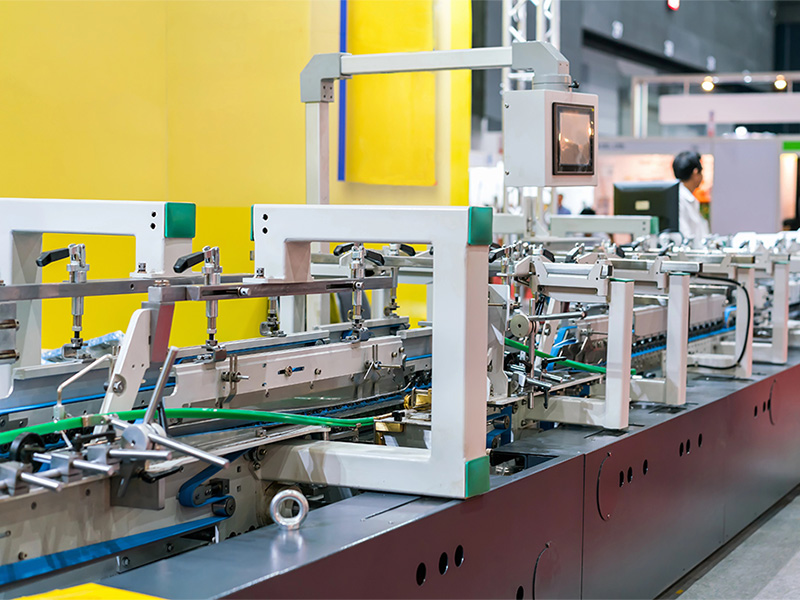
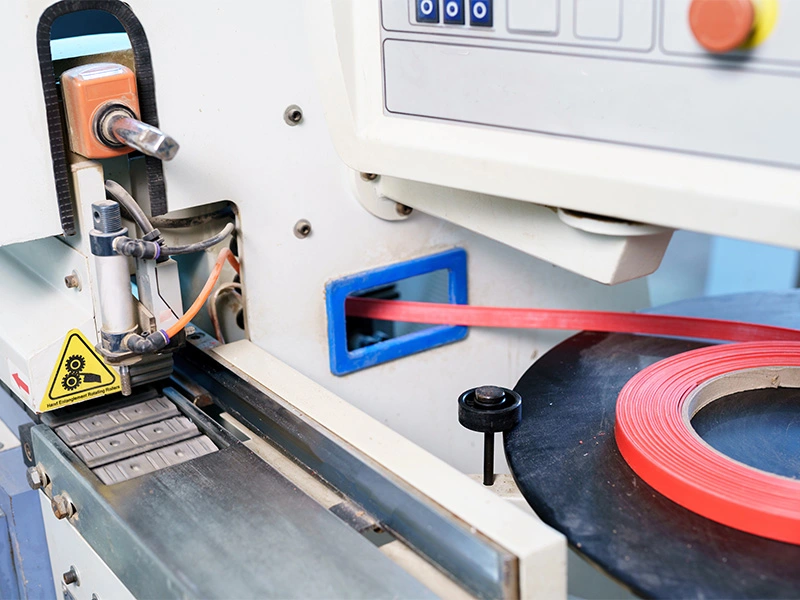

Packaging Industry and Logistics
This is the largest application area for hot melt in terms of adhesive volume. Hot-melt adhesives are used for case and carton sealing, tray and outer packaging bonding, labeling, multi-layer and flexible packaging manufacturing, and food packaging sealing. The advantages of hot-melt in this application primarily include bonding speed (ranging from tens of milliseconds up to 1–2 seconds), the capability to operate at high line speeds (up to several hundred packages per minute), and the elimination of a drying stage.Furniture Manufacturing and Woodworking
Hot-melt adhesives are widely used for edgebanding — bonding ABS, PVC, HPL, and wooden strips to the edges of particleboards and MDF. Other applications include board lamination, wooden component assembly, as well as profile wrapping with natural veneers and decorative foils.Automotive Industry
In the automotive sector, hot-melt is utilized for interior material lamination (upholstery, headliners, acoustic insulation mats), body component and seal attachment, headlamp and taillight assembly, air and oil filter manufacturing, automotive electronics connection sealing, and bonding components featuring PUR foam and engineering plastics.Hygiene Products and Nonwovens
Hot-melt PSA and polyolefin adhesives are used on a mass scale in the production of disposable diapers, sanitary napkins, panty liners, wet wipes, and other nonwoven products. Spray and spiral swirl applications enable uniform coverage of delicate web materials with minimal adhesive volume while maintaining product flexibility, breathability, and softness.Bookbinding and Publishing Industry
Hot melt is applied in perfect binding (adhesive binding) and spine gluing for books, brochures, catalogs, and textbooks. It enables rapid, automated binding without the need to dry the adhesive. EVA adhesives are standard for conventional binding, whereas PUR adhesives are selected for binding setups requiring higher flexibility and durability (e.g., atlases, heavily used reference books).Electronics and Electrical Engineering
In electronics, hot melt is used to secure connections and components against vibration and moisture (potting, encapsulation), seal connectors, mount electronic components, and manufacture cables and wire harnesses. Polyamide (PA) and specialized EVA/PO formulations deliver the required thermal and electrical resistance profiles.Construction and Insulation
Hot melt is deployed for bonding thermal and acoustic insulation (mineral wool, expanded polystyrene, PUR foams), joining window and door components, manufacturing sandwich panels, sealing and assembly in industrial construction, and wrapping aluminum and PVC profiles.Filter Production
Hot-melt adhesives are used to assemble and seal filtration media within air, oil, water, and industrial fluid filters. Slot-die and dot applications allow for precise adhesive placement without blocking the pores of the filter medium.Textiles and Apparel
In the textile and clothing industry, hot melt is used for fabric lamination (e.g., membranes, waterproof coatings), interlining and reinforcement attachment, sports and outdoor apparel manufacturing, as well as footwear and leather goods production. PUR hot-melt adhesives perform exceptionally well in bonding technical materials that demand waterproofing and flexibility.Pharmaceuticals and Biotechnology
Hot-melt extrusion (HME) is an advanced method used in pharmaceuticals to manufacture solid dosage forms (tablets, capsules, implants), where an active ingredient is embedded into a polymer matrix. This represents a distinct and highly specialized application area for hot melt, blending process engineering with pharmacology and requiring equipment certified for the pharmaceutical industry.DIY and Craft Applications
Hot glue guns using EVA glue sticks are universally available and utilized in handicrafts, floristry, decoration, minor household repairs, and workshop projects. This is the simplest and most accessible variant of hot-melt technology, available to anyone without specialized knowledge or industrial equipment.Advantages of hot-melt technology
- No solvents or water – hot-melt adhesives are 100% solid products containing no water or organic solvents. This eliminates VOC emissions and the need for drying, mitigates standard fire and explosion hazards associated with solvent vapors, and simplifies storage and transportation.
- Ultra-fast setting – hot-melt adhesives achieve bonding through cooling, which takes anywhere from a fraction of a second to a few seconds. This allows for exceptionally high production line speeds and immediate downstream processing of assembled components without any drying or curing stages.
- Excellent suitability for automation – hot-melt systems integrate seamlessly with automated production lines. Precise PLC control enables complete automation of dosing, synchronization with line speed, and repeatable bonding quality.
- Broad range of applications and substrates – by selecting the appropriate formulation, it is possible to bond paper, cardboard, wood, PP, ABS, PVC, PA, PC, textiles, metals, and many other materials utilized in industrial sectors.
- Precise dosing – advanced dispensing systems enable the application of adhesive in extremely small, precisely controlled quantities, minimizing adhesive consumption and process costs.
- Zero liquid waste – solid-state hot-melt adhesives do not require special waste containment, do not evaporate, and eliminate the need for spill mitigation measures.
- Cost-effective operation – despite higher upfront system implementation costs, low adhesive usage, the absence of drying expenses, and rapid line speeds often render hot-melt less expensive per joint than water-based or solvent-based adhesives.
- Remelting capability (conventional hot-melts) – in certain applications, hot-melt joints can be disassembled by reheating, which provides a distinct advantage in rework, repair, and recycling processes.
Limitations and risks of hot-melt technology
- Temperature sensitivity – most standard EVA adhesives lose their strength at just 60–80°C. PO adhesives can withstand up to 90–110°C, PA up to 150°C and above, and cross-linked PUR up to 100–120°C+. For applications exposed to heat (such as vehicle interiors in the summer or containers holding hot products), proper formulation selection is mandatory.
- Adhesive degradation (charring) – maintaining the adhesive in the tank at high temperatures for too long leads to degradation: darkening, gel formation, and decomposition products that clog nozzles and filters while deteriorating bond quality. Temperature management and regular system cleaning are essential.
- Clogging of nozzles and filters – adhesive degradation products, contaminants, and foreign bodies can clog precision nozzles and filters, causing dispensing interruptions and defective bonding. Regular maintenance is the cornerstone of reliable system operation.
- Adhesive stringing – under incorrect temperatures, worn nozzles, or low line speeds, the adhesive can form thin strings that contaminate both the product and the production line.
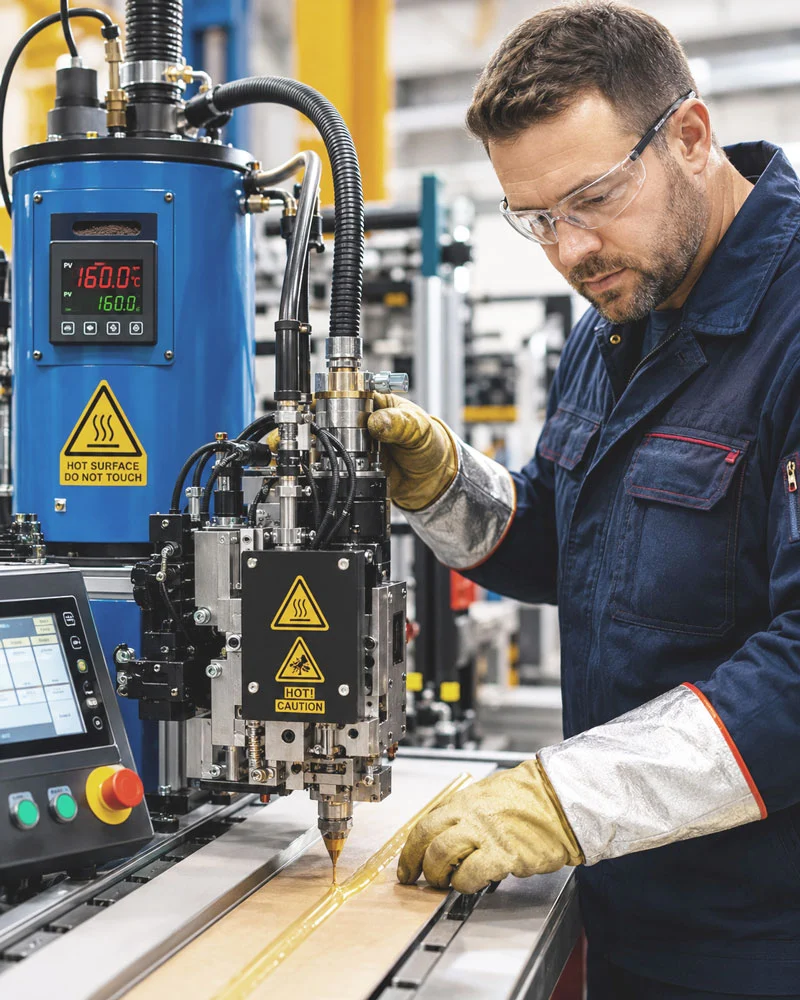
- Risk of burns – hot-melt adhesive reaches temperatures of 120–230°C during application. Operating a hot-melt system requires the use of personal protective equipment: thermal gloves, safety glasses, and protective clothing.
- Need for regular servicing – hot-melt systems require scheduled maintenance: cleaning the tank, replacing filters and nozzles, and inspecting heated hoses and valves. Neglecting regular technical servicing leads to breakdowns and diminished bonding quality.
- Limited chemical resistance of standard adhesives – EVA and PO adhesives exhibit limited resistance to solvents, acids, and alkalis. In chemically demanding applications, specialized PA, PUR, or custom EVA formulations are required.
Hot melt vs other bonding technologies – a comparison
| Technology | Characteristics and Bonding Mechanism | Key Advantages | Main Limitations and Risks | Typical Applications |
|---|---|---|---|---|
| Hot-melt | Thermoplastic adhesive applied hot. It bonds primarily physically by cooling and reverting to a solid state. In standard processes, it requires no water or solvents. | Ultra-fast setting, no drying required, solvent-free, highly suitable for automation, precise dosing, and low adhesive consumption under a well-configured setup. | Requires temperature control, filtration, and system cleanliness. Risk of burns, adhesive charring, nozzle clogging, and stringing. Thermal resistance depends on adhesive type. | Packaging, furniture, hygiene, nonwoven, automotive, bookbinding, electronics, filter production. |
| Water-based adhesives | Water-based dispersions or solutions. Bonding occurs via water evaporation, resulting in the formation of the adhesive layer. | Often highly economical, widely available, suitable for many porous materials, free of organic solvents, and presents relatively low HSE risks. | Require drying time. The process depends heavily on humidity, temperature, substrate absorbency, and evaporation conditions. Less effective on certain non-porous or coated materials. | Paper, cardboard, wood, textiles, packaging, labels, absorbent materials. |
| Solvent-based adhesives | Adhesives in which a volatile solvent acts as the carrier. Bonding occurs after the solvent evaporates. | Good adhesion in specific applications, ability to achieve thin layers, and highly useful for certain difficult-to-bond substrates. | VOC emissions, odor, strict ventilation requirements, fire hazards, and higher environmental compliance demands. The necessary solvent evaporation time extends the process. | Specialized applications, technical materials, select laminations. |
| 1K/2K reactive adhesives | Systems that form chemical bonds. In 2K adhesives, curing is initiated after mixing the components; in 1K systems, the reaction can occur due to moisture, temperature, or other external factors. | High ultimate bond strength, excellent chemical and thermal resistance, and capable of performing under demanding operational conditions. | Often feature longer curing times, higher technological requirements, mandatory mixing ratio control in 2K systems, and more complex process management. | Structural bonding, automotive, electronics, construction, technical applications. |
| Adhesive tapes | A pre-applied layer of adhesive carried on a backing material. Requires no melter, mixing, or drying process. | Very simple application, clean process, no heating equipment required, convenient for manual assembly and auxiliary work. | Higher unit cost in certain applications, limits on application geometry, less flexibility in mass production, and restricted control over adhesive quantity. | Manual assembly, labels, sealing, flat surface bonding, servicing/maintenance work. |
Common problems in hot-melt systems and their causes
Adhesive Stringing
The formation of thin adhesive webs or threads between the nozzle and the substrate surface. Causes: excessively low application temperature, causing the adhesive to exhibit too high a viscosity; a worn or incorrectly selected nozzle; too slow a retraction speed of the nozzle from the material; or an incorrect adhesive formulation. Solutions: increase the temperature, replace the nozzle, or potentially switch to an adhesive with a lower viscosity profile.Nozzle Clogging
A clogged nozzle manifests as uneven or completely blocked adhesive deposition and is the result of degraded adhesive char or foreign bodies. Causes: extended machine downtime without purging, excessively high adhesive temperatures (accelerated degradation), or a missing or spent adhesive filter. Solutions: clean the nozzle using a specialized purging agent or replace it, change the inline filter, and implement regular tank cleaning protocols.Weak Bond or Joint Separation
A weak bond can stem from: incorrect adhesive selection for the specific substrates, exceeding the open time (the adhesive solidified prior to component assembly), too low an application temperature, contaminated or wet substrates, insufficient adhesive coat weight, or inadequate compression pressure during joining. Diagnostics mandate a systematic analysis of each of these variables.Adhesive Charring in the Tank
Adhesive charring is the direct consequence of overheating or maintaining the material in the tank at high temperatures for an extended duration. It manifests as adhesive darkening, the formation of solid carbonized crusts, and an unpleasant odor. These crusts can repeatedly clog nozzles and filters. Solutions: lower the tank temperature, reduce the adhesive residence time, and establish a regular tank cleaning routine.Uneven or Intermittent Dispensing
Uneven application can result from: air entrapment within the adhesive lines (air pockets introduced during adhesive replenishment), a worn application valve or module, insufficient pump pressure, clogged filters, or system leaks. This issue requires a systematic inspection of individual component assemblies within the fluid system.Unstable Temperature Profiles
Temperature fluctuations can be caused by: a damaged heated hose (broken resistance wire), a malfunctioning temperature sensor (thermocouple), a PID controller failure, or excessive adhesive consumption rates that outpace the melter’s melting capacity. This demands a thorough check of all heating elements and control components within the system.How to select a hot-melt adhesive and system for production?
Key Questions for Selection
- What materials are being bonded: paper, cardboard, wood, plastics, metal, textiles, foams, nonwovens, or coated substrates?
- Are the surfaces porous, smooth, contaminated, coated, lacquered, cold, or difficult to wet?
- What is the line speed, and how much time elapses between adhesive application and component assembly?
- What quantity of adhesive needs to be applied, and in what geometry: dot, linear bead, spray, spiral swirl, or full layer?
- What are the durability requirements regarding temperature, moisture, mechanical loads, and aging?
- Is the process intended to be manual, semi-automated, or fully automated?
- What are the maintenance requirements: parts availability, servicing downtime, component rebuild capabilities, and ease of cleaning?
- Does the current issue relate to the adhesive, the equipment, the nozzle, temperature, pressure, the substrate, or production line parameters?
When is a Simple System Enough, and When is Automation Required?
A simple hand-held glue gun can be sufficient for workshop operations, small-batch manufacturing, prototyping, or auxiliary assembly tasks. In mass production, a tank-based or tankless melter system is typically required, complete with integrated temperature controls, a pump, heated hoses, application heads, nozzles, and pattern control. At high line speeds, minor variations in fluid pressure, valve open times, or temperature can directly impact product quality and scrap rates.Workplace safety, operation, and environmental impact
Hot-melt technology is frequently perceived as cleaner than solvent-based alternatives because conventional thermoplastic adhesives require neither solvents nor water evaporation. However, this does not mean the process is exempt from strict occupational health and safety rules or careful operational monitoring.
Workplace Safety
The adhesive, nozzles, application heads, hoses, and tanks operate at elevated temperatures. Core risks include thermal burns, direct contact with hot adhesive, uncontrolled leaks, system pressure hazards, and contact with heated system components. Hot-melt adhesives reach temperatures between 120–230°C during application, posing a severe risk of thermal injury. Strict compliance with occupational health and safety rules is mandatory:- Always wear high-temperature resistant gloves, safety glasses, and protective long-sleeved clothing.
- Never touch the nozzle, application head, or hose while the system is operational – these components are extremely hot.
- Exercise extreme caution during nozzle cleaning and clog removal – there is an active risk of hot adhesive splashing.
- In the event of a hot adhesive spill, do not attempt to wipe it away immediately – allow it to solidify completely and remove it mechanically.
- PUR hot-melt requires special handling – it can release dangerous isocyanate vapors; workstation local exhaust ventilation and respiratory masks equipped with appropriate organic vapor filters are mandatory.
- Regularly train operating personnel handling hot-melt systems on occupational health and safety standards along with emergency procedures.
Operation and Maintenance
The most common operational issues stem from neglecting filtration, overheating the adhesive, using contaminated material, improper tank cleaning, delayed replacement of nozzles and filters, or running on worn application modules. Regular technical servicing mitigates downtime risks and stabilizes dispensing quality.Environmental Aspects of Hot-Melt Technology
Hot melt offers a range of environmental benefits compared to solvent- and water-based adhesives, though it is important to be aware of its specific limitations:- No organic solvents – eliminates VOC emissions and removes the need for costly exhaust treatment or air purification installations.
- Low fume emissions – standard hot-melt adhesives release negligible amounts of volatile components during application. PUR hot-melt can emit isocyanates and requires local exhaust ventilation.
- Zero liquid waste – hot melt does not generate industrial wastewater requiring specialized neutralization or chemical disposal.
- Energy efficiency – the absence of a drying stage significantly lowers overall energy consumption compared to water-based adhesive lines.
- Bio-based and low-temperature formulations – an expanding range of hot-melt adhesives incorporates renewable raw materials (biopolymers) alongside low-temperature alternatives that demand less energy for melting.
- Recycling compatibility – certain EVA adhesives are fully compatible with standard repulping processes (paper and cardboard recycling). Other formulations may require specific separation procedures or present challenges in recycling bonded materials.
Glossary of basic terms in hot-melt technology
Adhesion – the binding strength or adherence of an adhesive to the surface of the substrate being joined.
Bead – a linear adhesive track; applied via continuous or intermittent dispensing.
Open time – the maximum window of time available after adhesive deposition during which substrates can be successfully bonded. Past this window, the adhesive solidifies and fails to establish a permanent bond.
Set time – the time required for a joint to achieve adequate mechanical strength to undergo downstream processing or transport.
Drum unloader – a bulk melter designed for adhesives supplied in drums; it heats the material directly inside its shipping container, minimizing exposure to ambient air.
Nozzle – the component that profiles and shapes the extruded adhesive flow.
EVA – Ethylene-Vinyl Acetate copolymer; the most widely utilized base polymer formulation for hot-melt applications.
Application head – the module or gun assembly responsible for the highly precise deposition of adhesive onto the substrate.
Coat weight – the exact amount of adhesive applied over a unit area or joint length (expressed as g/m² or g/m).
Cohesion – the internal structural integrity and molecular binding strength within the adhesive layer itself.
Viscosity – the mechanical measurement of fluid flow resistance exhibited by a molten adhesive; quantified in mPa·s or cP. It decreases inversely with rising temperatures.
Stringing – the formation of fine adhesive filaments or cobwebs when the nozzle retracts from the substrate; typically caused by suboptimal temperatures or a worn nozzle assembly.
PA – Polyamide; a hot-melt base material characterized by exceptionally high thermal limits (up to 150°C+) and heavy chemical resistance.
PO / APAO / mPO – Polyolefins / Amorphous Polyalphaolefins / Metallocene Polyolefins; specialty adhesives offering superior elasticity and thermal properties compared to standard EVA.
PUR hot-melt – Polyurethane Reactive hot melt; sets initially via thermal cooling, followed by a chemical cross-linking reaction with environmental moisture. Delivers maximum thermal and chemical structural durability post-cure.
PSA (pressure-sensitive adhesive) – self-adhesive formulations that remain tacky to the touch even after cooling. Universally used for tape, labeling, and personal hygiene products.
Slot-die / slot coating – a full-surface dispensing technique where a perfectly uniform thin film of adhesive is extruded through a continuous slot orifice.
Spray – non-contact hot-melt dispensing involving air atomization or specialized fluid pressure to break up the adhesive stream.
Swirl – a distinct variation of non-contact spray application where the adhesive filament is guided into a continuous spiral pattern.
Operating temperature – the precise temperature window at which the adhesive mass must be maintained inside the system and dispensed onto the substrates.
Melter – the primary industrial heating and delivery unit used to liquefy and store hot-melt adhesive at its designated operational temperature.
Adhesive charring (char) – the severe thermal degradation of a hot-melt formulation triggered by overheating or excessive dwell time inside a heated tank, yielding solid carbonized crusts and reduced bond performance.
Frequently Asked Questions about Hot Melt
At what temperature does hot-melt adhesive operate?
Is hot-melt adhesive resistant to high temperatures?
Does hot-melt adhesive contain solvents?
How fast does hot-melt adhesive set?
Is hot-melt adhesive suitable for bonding plastics?
Is hot melt suitable for metal, wood, and textiles?
What is a hot-melt melter used for?
Why do hot-melt nozzles get clogged?
Is hot-melt adhesive suitable for food contact?
Which components of a hot-melt system require regular replacement?
Is hot melt suitable for production automation?
How does industrial hot melt differ from consumer hot glue sticks bought at DIY stores?
Is PUR hot melt just a regular hot-melt adhesive?
We invite you to experience
the
quality of our services and products
Technical advisor available from
8:00 AM to 6:00 PM.

ACCURATE GROUP
- ul. Towarowa 5, 87-100 Toruń
Leave your contact details, and our advisor will get in touch with you.
Filtr Vena Blue
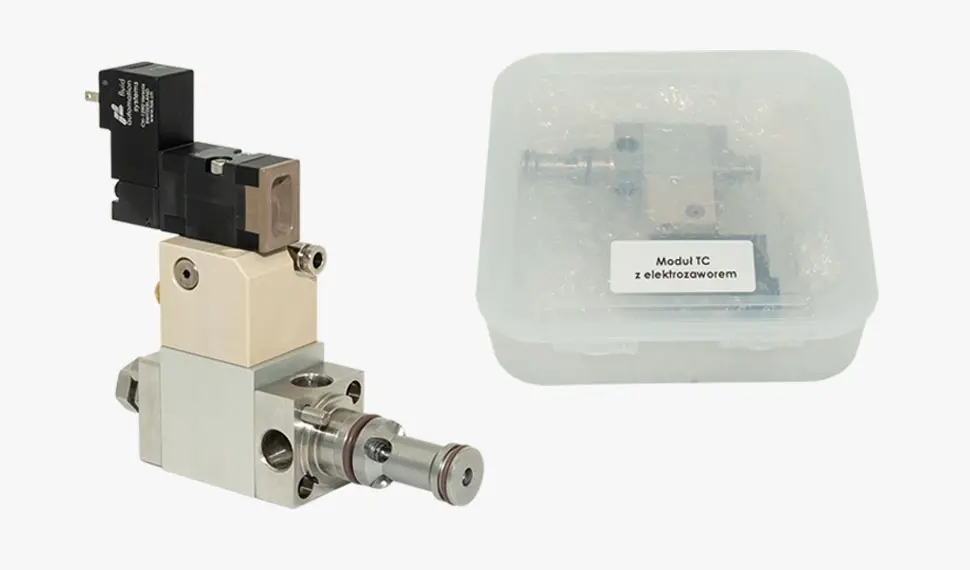
TC module with solenoid valve
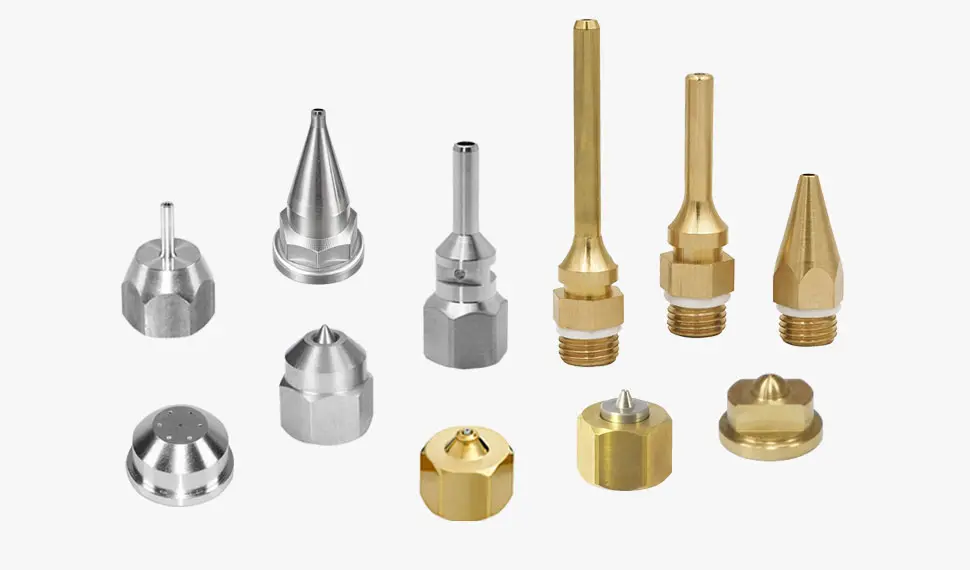
Hot-melt nozzles
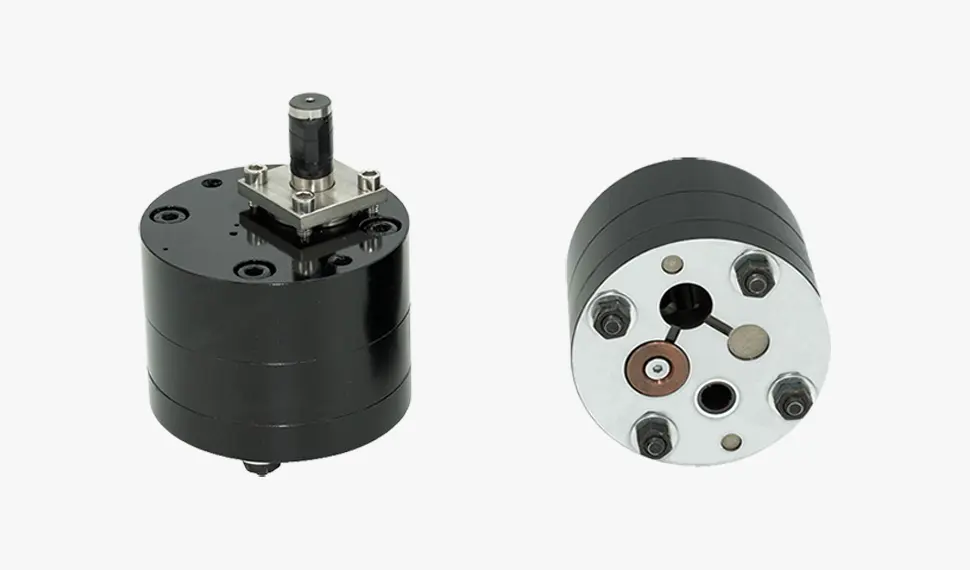
Hot-melt pump
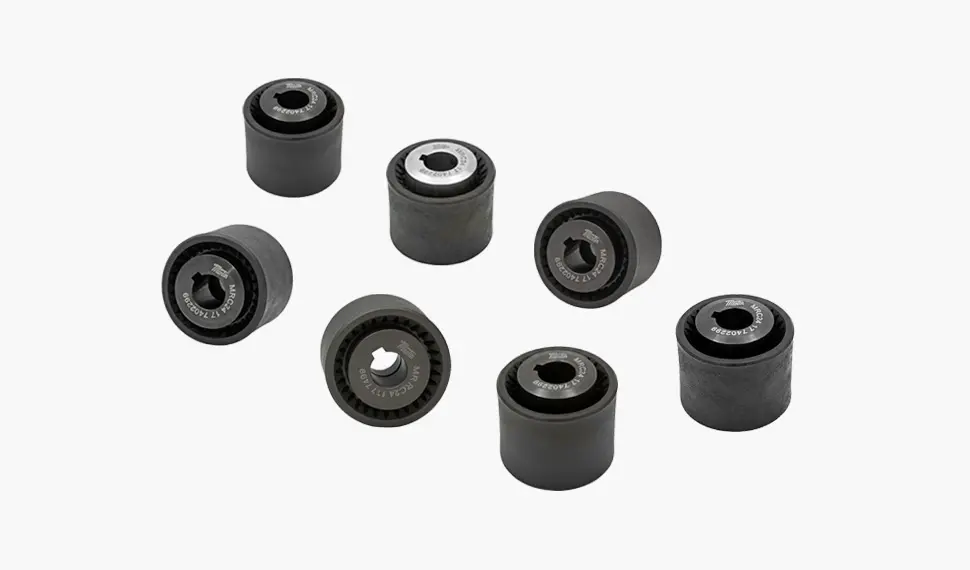
Martin MRC24 roller
7402299
Nordson MiniBlue II valves
Hot melt aluminum block
Teflon-coated aluminum
hot melt block

Sales Office:
St. Towarowa 5, 87-100 Toruń
tel. +48 56 656 61 71
e-mail: info@accurategroup.pl